Culture shapes the way we think, feel, and relate.

Our laboratory operates within the theoretical framework of cultural psychology, aiming to explore the psychological processes and behavioral patterns that are both universal and culturally specific among humans. We seek to answer what psychological and behavioral traits are shared by humans as cultural beings and which are unique to specific cultures, while also investigating the dynamic construction between culture and psychology.

Explore our research
7+
Projects
25+
Publications
10
Team members

People

Faculty, collaborators, students, and research assistants.

Principal Investigator
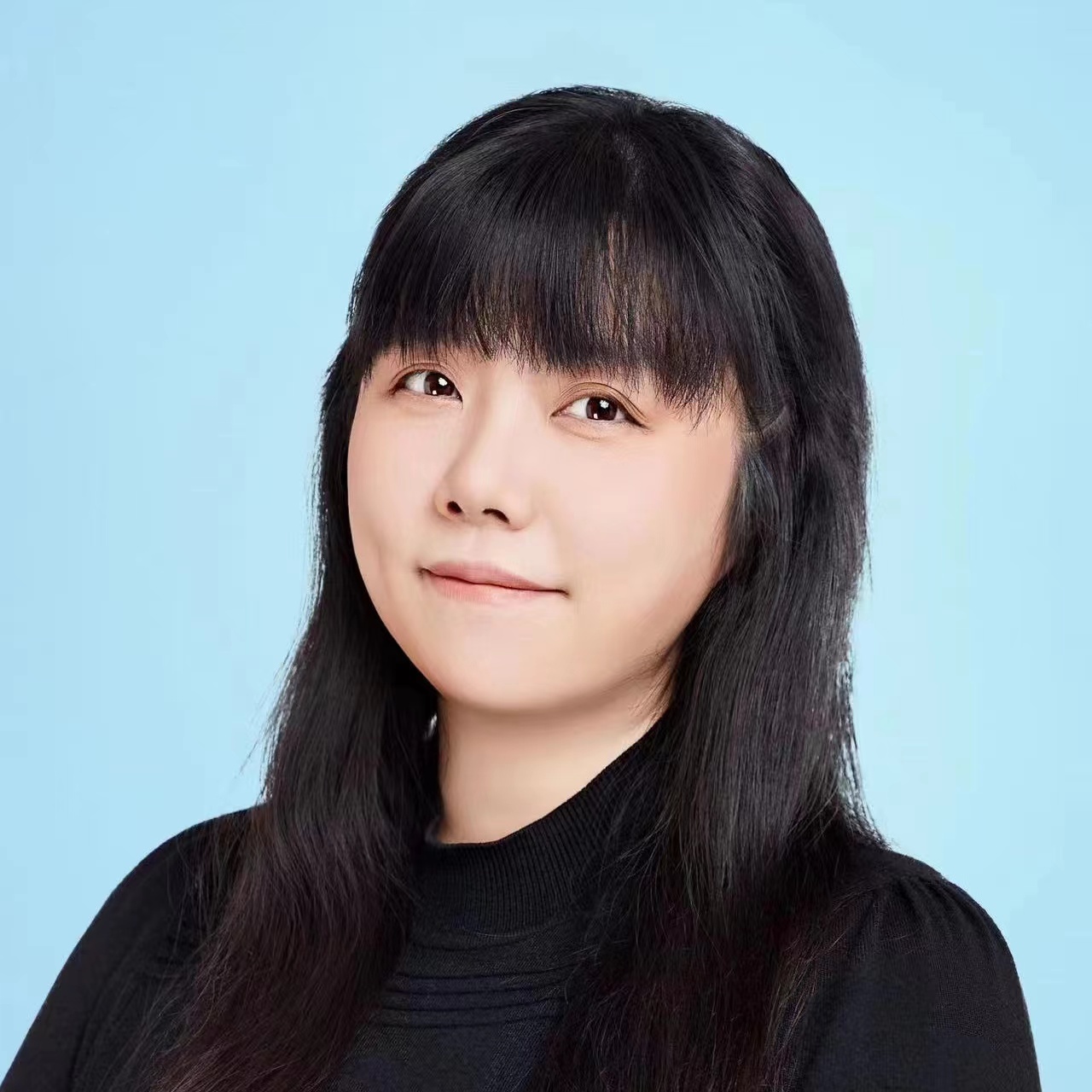
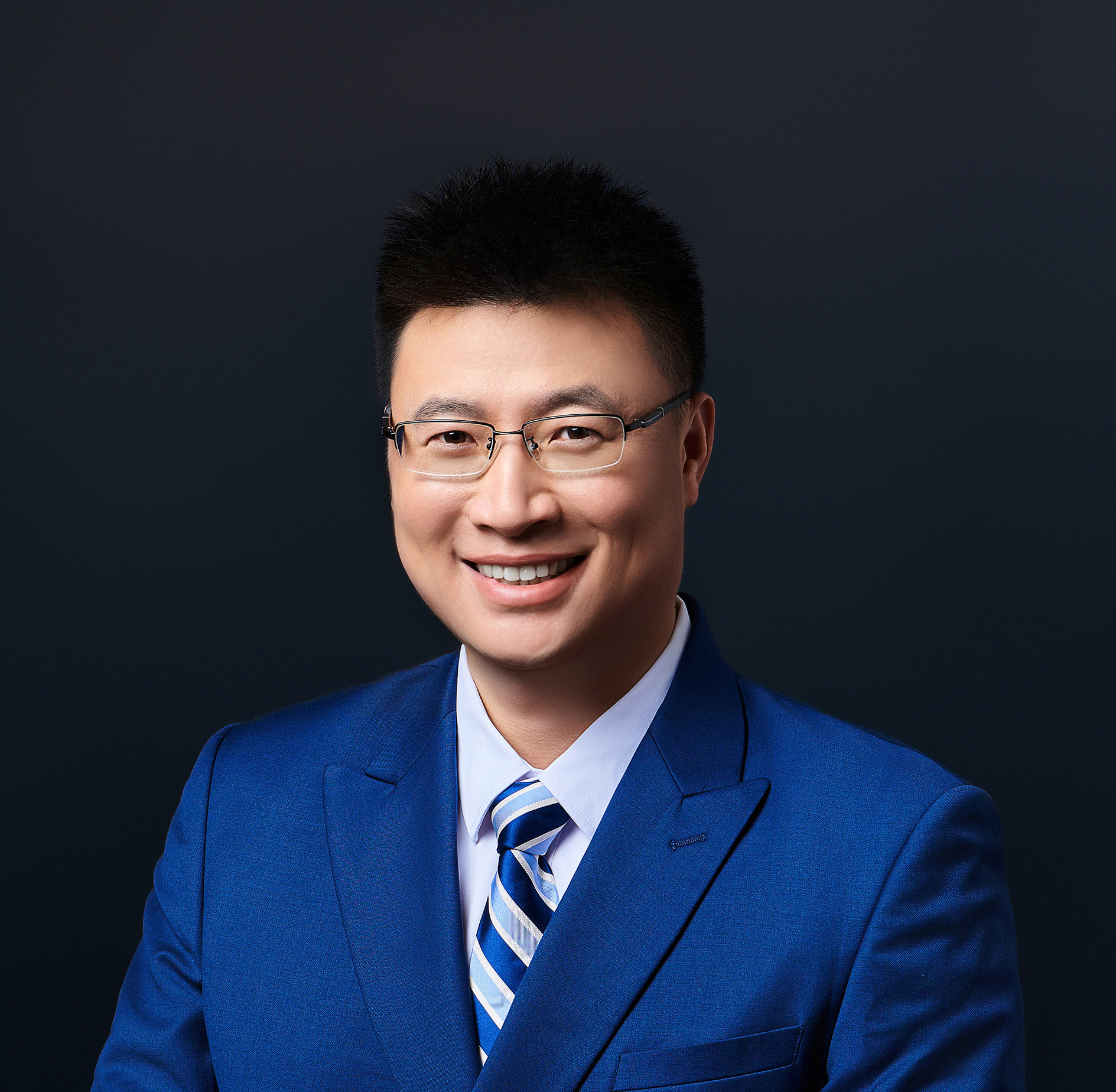
Xiaomeng Hu
Prof. Xiaomeng Hu
Principal Investigator

Students

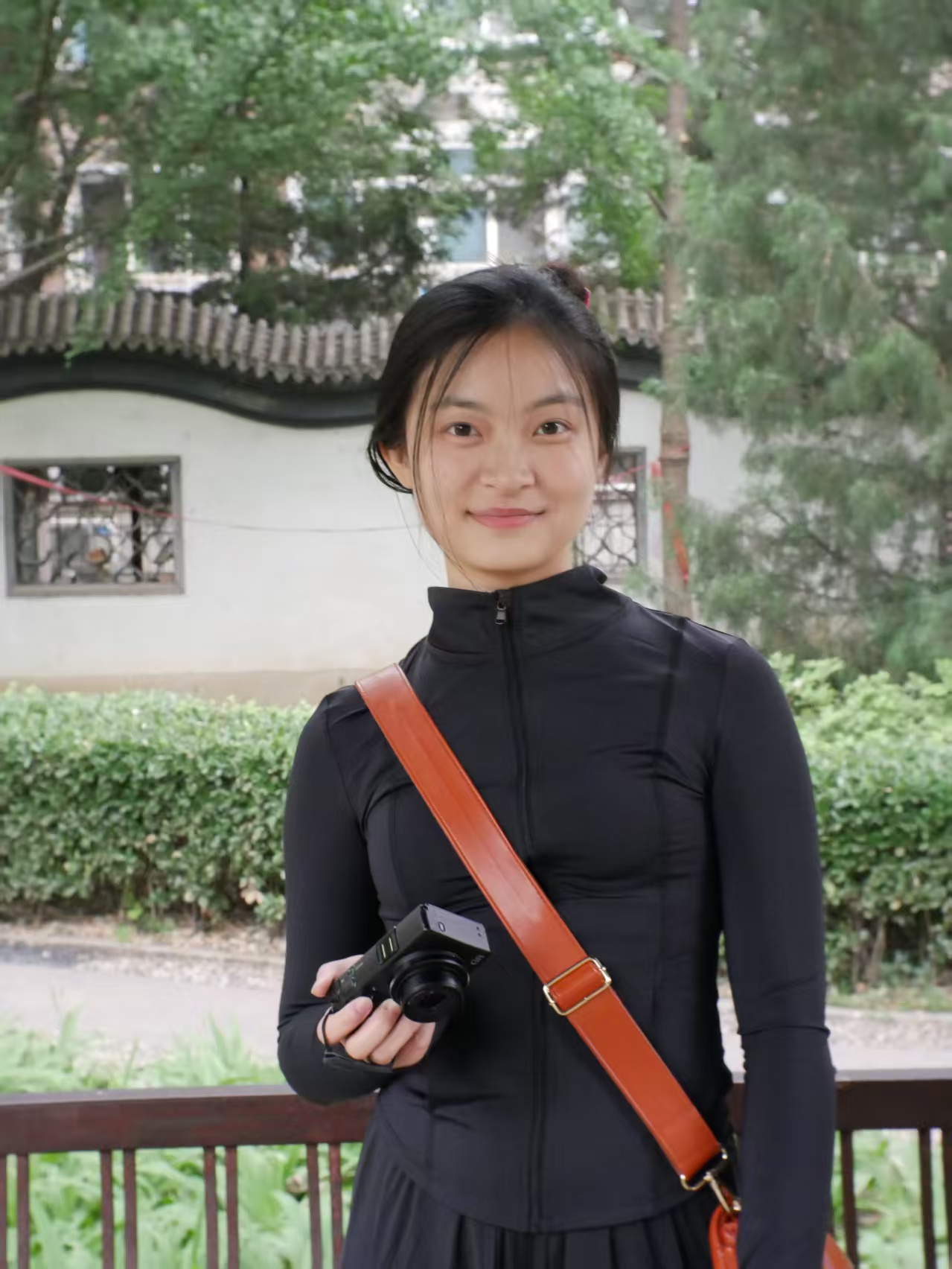
Yue Teng
Yue Teng
Master Student(Graduated in June 2024)
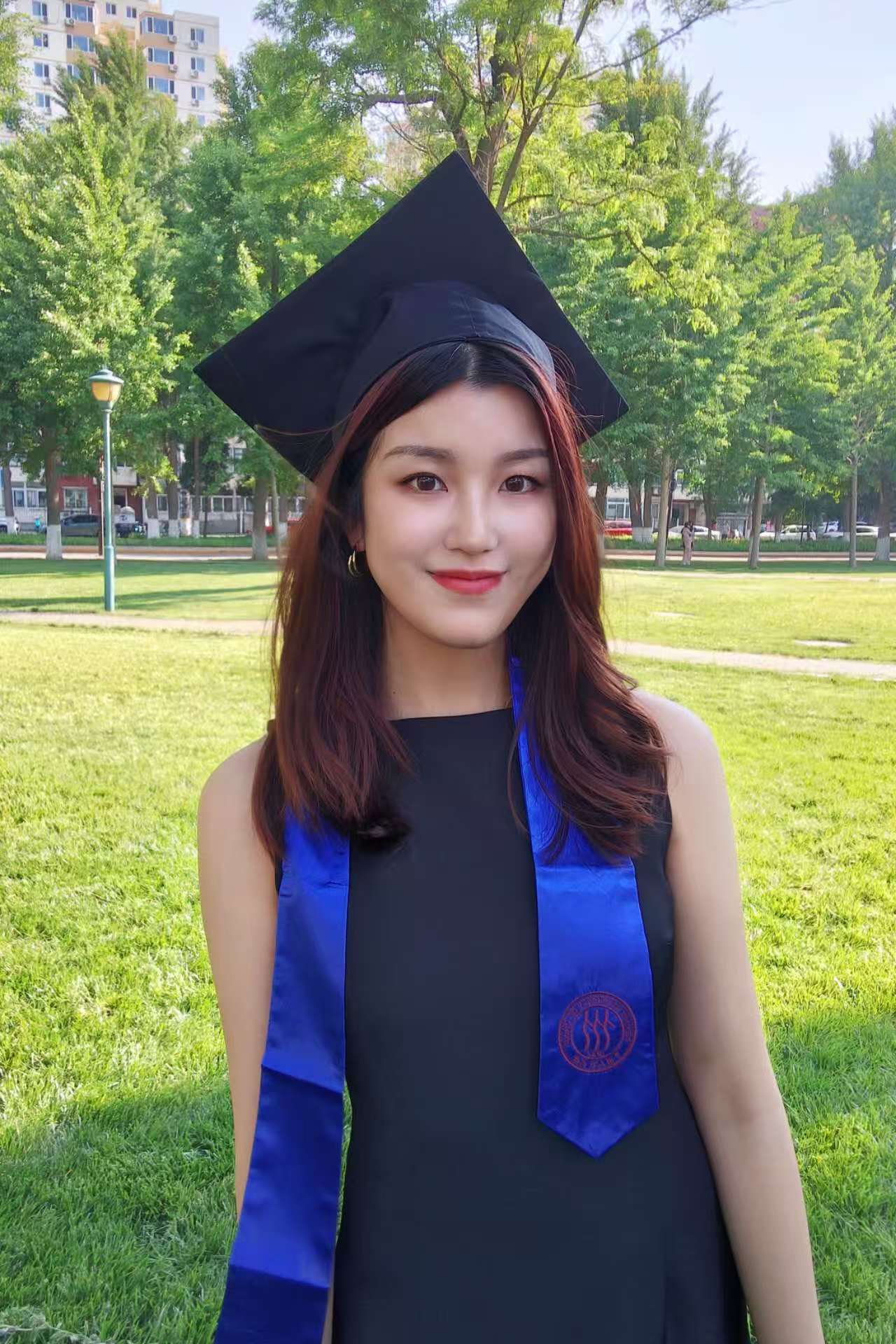
Siqi Zhao
Siqi Zhao
Master Student(Graduated in June 2025)
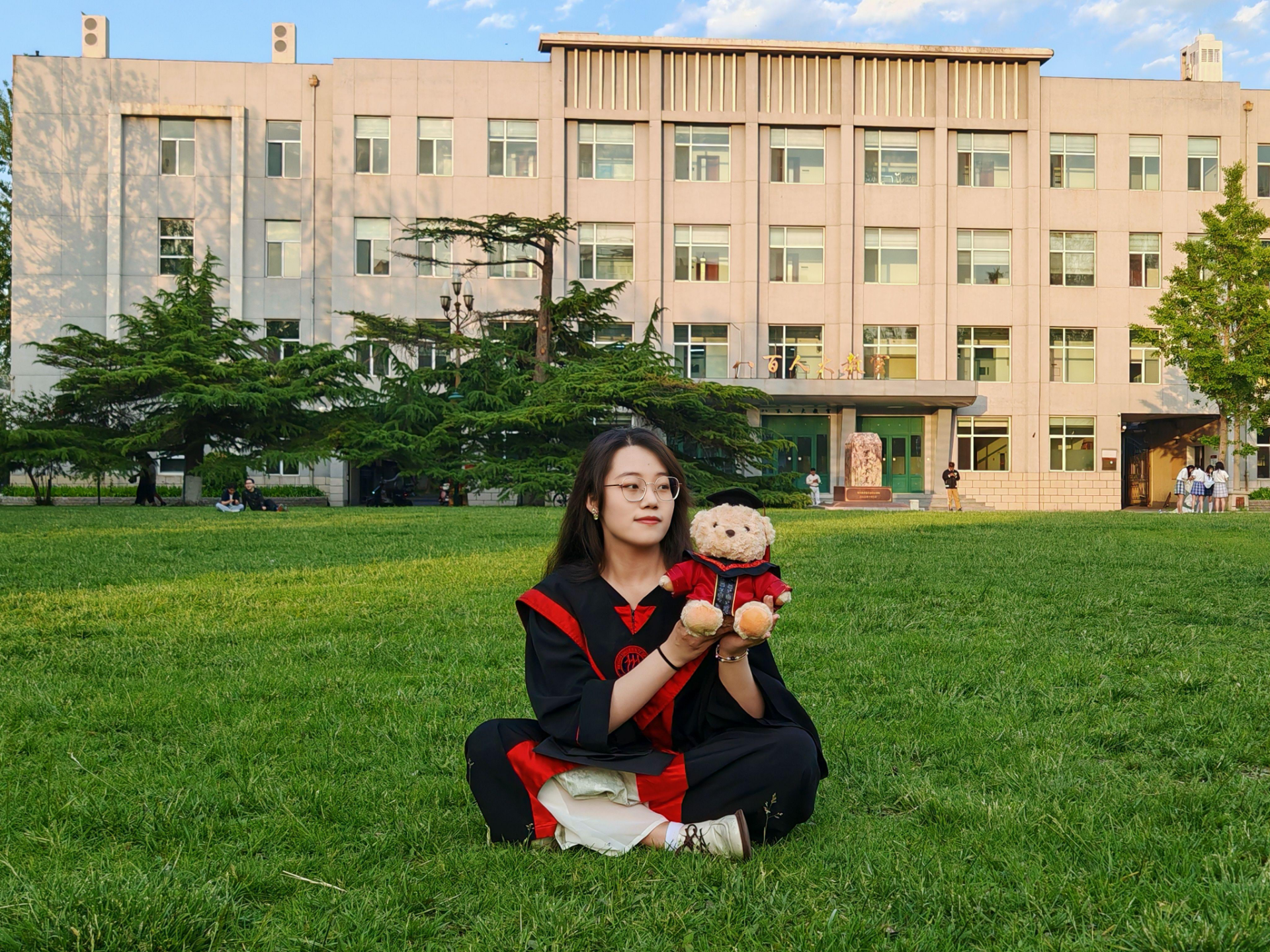
Huarong Liu
Huarong Liu
Master Student
Qilong Li
Qilong Li
Master Student
Yumeng Sun
Yumeng Sun
Master Student
Ziyan Wang
Ziyan Wang
Master Student

Collaborators

Kaiping Peng
Prof. Kaiping Peng
Collaborator
Thomas Talhelm
Prof. Thomas Talhelm
Collaborator
Sylvia Xiaohua Chen
Prof. Sylvia Xiaohua Chen
Collaborator
Zhi Liu
Prof. Zhi Liu
Collaborator
Chaogan Yan
Prof. Chaogan Yan
Collaborator

Research Assistants

Yuchao Xie
Yuchao Xie
Research Assistant

Research

Cultural psychology holds both theoretical and applied value. Theoretically, future research will uncover the biological, psychological, and social mechanisms through which culture constructs psychology. In application, it will expand the translation of cultural psychology findings in political, business, and academic spheres. For example, in politics, this includes cultural confidence, cultural soft power, and building a community with a shared future for humanity; in business, it involves cross-cultural management, localization of global brands, and organizational culture; in academia, it encompasses interdisciplinary integration and collaboration.

Specific Research Questions

Publications

Selected peer-reviewed papers and preprints. For a full list, see our Google Scholar.

International Journal Articles

Hu, X., Ma, H. Q., Tian, Y. Q., Hu, Y. H., Chen, S. X., Castellanos, F. X., ... & Yan, C. G. (2025). The neural basis of dialectical thinking: recent advances and future prospects. Reviews in the Neurosciences, (0).
Liu, H., Li, Q., Sun, Y., Chen, M., An, Y., Talhelm, T., & Hu, X. (2025). Artificial Intelligence Versus Human Fundraisers: Evidence That Narrative Perspective and Fundraiser Identity Influence Donation Intentions. Cyberpsychology, Behavior, and Social Networking, 28(10), 698-706.
Sun, Y., Teng, Y., Zhao, S., Liu, H., Li, Q., Qin, Q., & Hu, X. (2025). How to capture moral behaviors: From laboratory to everyday life. Well-Being Sciences Review, 1(2), 86-96.
Hu, X., & Yan, C. G. (2024). Current status and future challenges in brain imaging: Insights from leading experts. Medicine Plus, 100049.
Teng, Y., Li, H. X., Chen, S. X., Castellanos, F. X., Yan, C. G., & Hu, X*. (2024). Mapping the Neural Mechanism that Distinguishes between Holistic Thinking and Analytic Thinking. NeuroImage, 120627.
Li, H. X., & Hu, X*. (2022). Dialectical Thinking Is Linked With Smaller Left Nucleus Accumbens and Right Amygdala. Frontiers in Psychology, 13, 760489.
Hu, X.*, Wang, Y., Liao, S., & Peng, K. (2021). Do experiences studying abroad promote dialectical thinking? Empirical evidence from Chinese international students. Frontiers in Psychology, 1966.
Yu, F., Peng, K., & Hu, X*. (2020). Knowledge is money: Do people think cultural capital can be transformed into economic value? Psych Journal.
Hu, X., Zhu, Y., Yu, F., Wilder, D. A., Zhang, L., Chen, S. X., & Peng, K*. (2020). A cross-cultural examination on global orientations and moral foundations. Psych Journal, 9:108–117.
Hu, X., Chen, S., Zhang, L., Yu, F., Peng, K*, & Liu, L.* (2018). Do Chinese Traditional and Modern Cultures Affect Young Adults’ Moral Priorities? Frontiers in Psychology, 9:1799.
Zhou, X., Yang, Q., & Hu, X*. (2018). When money meets morality: Human universals and cultural differences. PsyCh Journal, 7:105–106.
Hu, X.*, Kim, A., Siwek, N., & Wilder, D. (2017). The Facebook paradox: effects of Facebooking on individuals’ social relationships and psychological well-being. Frontiers in Psychology, 8:87.
Hu, X.*, & Chen, Y. (2010). Psychology and Micro-blogging: Self-Presentation, Social Interaction and Social Culture. Proceedings of 2nd IEEE Symposium on Web Society, 71–76.

Chinese Journal Articles (First or Corresponding Author)

赵偲琪, 刘若婷, & 胡晓檬. (2024). 全人类认同提升亲社会心理和行为及其解释机制. 心理科学进展, 32(10), 1697.
滕玥, 张昊天, 赵偲琪, 彭凯平*, 胡晓檬*. (2024). 多元文化经历提升人类对机器人的利他行心智知觉的中介作用. 心理学报, 56(2), 146-160.
王扬, 滕玥, 彭凯平, & 胡晓檬*. (2022). 新冠疫情期间海外中国留学生心理健康的影响因素及其干预策略. 应用心理学, 28(2), 134-146.
胡晓檬*, 彭凯平, & 陈晓华. (2021). 全球化悖论的文化心理学解读. 应用心理学, 28(3), 245-254.
郭永玉,胡晓檬*. (2021). 求真理 去服务 得自由. 心理学探新, (2), 186-192.
廖思华,丁凤仪,徐迩嘉,胡平,胡晓檬*. (2021). 从“留学热”到“海归潮”: 海归群体反向文化震荡的心理与行为效应. 应用心理学, 27(3), 204-214.
胡晓檬, 韩雨芳, 喻丰, & 彭凯平. (2020). 多元文化经历的双刃剑效应: 心理后果与边界条件. 应用心理学, 27(1), 1-9.
喻丰, 许丽颖, 韩婷婷, 刘知远, 钱小军, 彭凯平, & 胡晓檬*. (2020). 道德节律:基于新浪微博的道德动机每分变化. 科学通报.
胡晓檬, 喻丰, 彭凯平*. (2018). 文化如何影响道德?文化间变异、文化内变异与多元文化的视角. 心理科学进展, 26(11), 2081-2090.

Books and Translations

  1. 潇檬 主编. (2022). 《心理学如何影响世界》. 清华大学出版社
  2. 潇檬 著. (2024). 《文化心理学与生活》. 清华大学出版社
  3. 潇檬 译. (2024). 《社会心理学与人类本性》. 中国人民大学出版社
  4. 潇檬 等 译. (2024). 《思考:回忆录》. 中国人民大学出版社
  5. 潇檬 主编. (2024). 《和心理学大咖聊聊天》. 北京颉滕文化传媒公司
  6. 潇檬 等 译. (2025). 《人类如何思考:社会心理学大师的人生回忆录》. 中国人民大学出版社

Opportunities

We recruit motivated research assistants.

How to apply

  1. Email a CV and a brief research statement to xiaomenghu@ruc.edu.cn.
  2. If shortlisted, we'll ask for a short writing sample and a short interview.
  3. Positions often start at the beginning of each semester (check announcements).